Crawl space encapsulationin Seneca, SC
We seal the crawl space under your house so humid summer air and wet red clay stop soaking the floor.
About $3.50 a square foot, plus a dehumidifier. Or call (864) 555-0187.
What it costs
Full encapsulation runs about $3.50 a square foot of crawl space floor, plus about $1,600 for the dehumidifier, with a $2,500 minimum. Set your size and what you see down there, and the slip adds it up.
How the job goes
First, we measure.
We crawl the whole space with a hygrometer and a moisture meter, check the sill and joists, and note standing water, sagging insulation and mold. On a South Carolina CL-100, wood at 20% moisture counts as excessive.
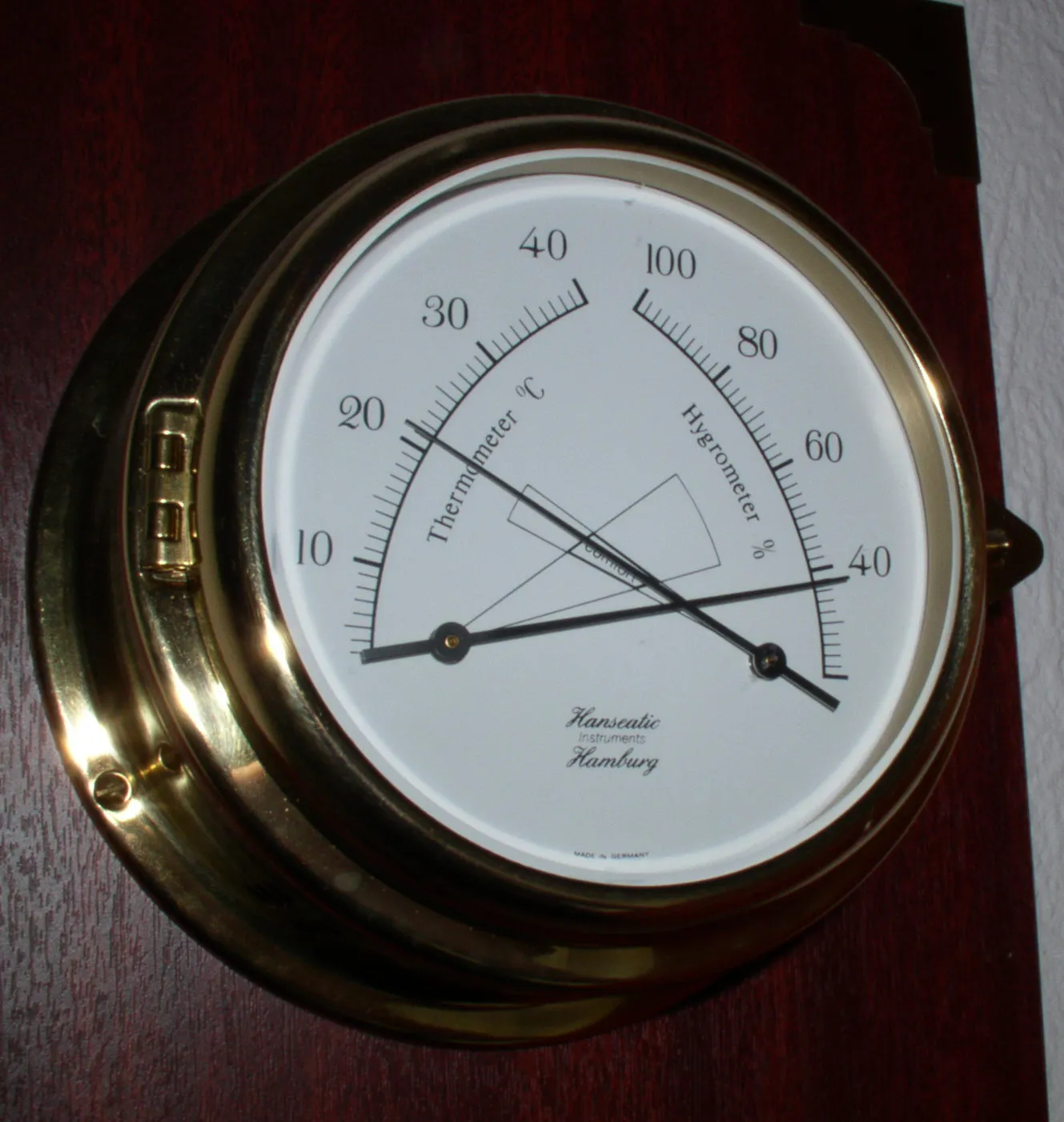
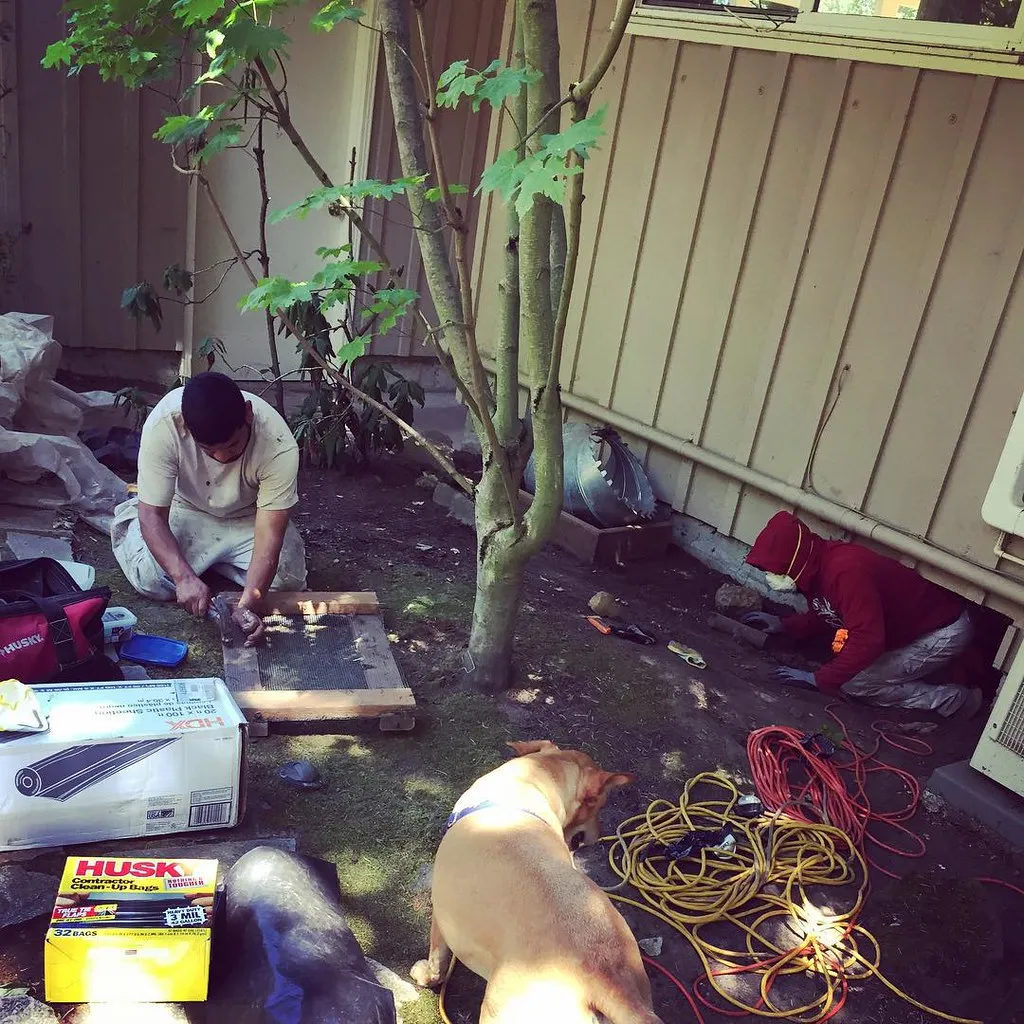
Then we clear the floor.
Old boards, trash and wet or fallen insulation come out, so nothing is left to rot under the new liner.
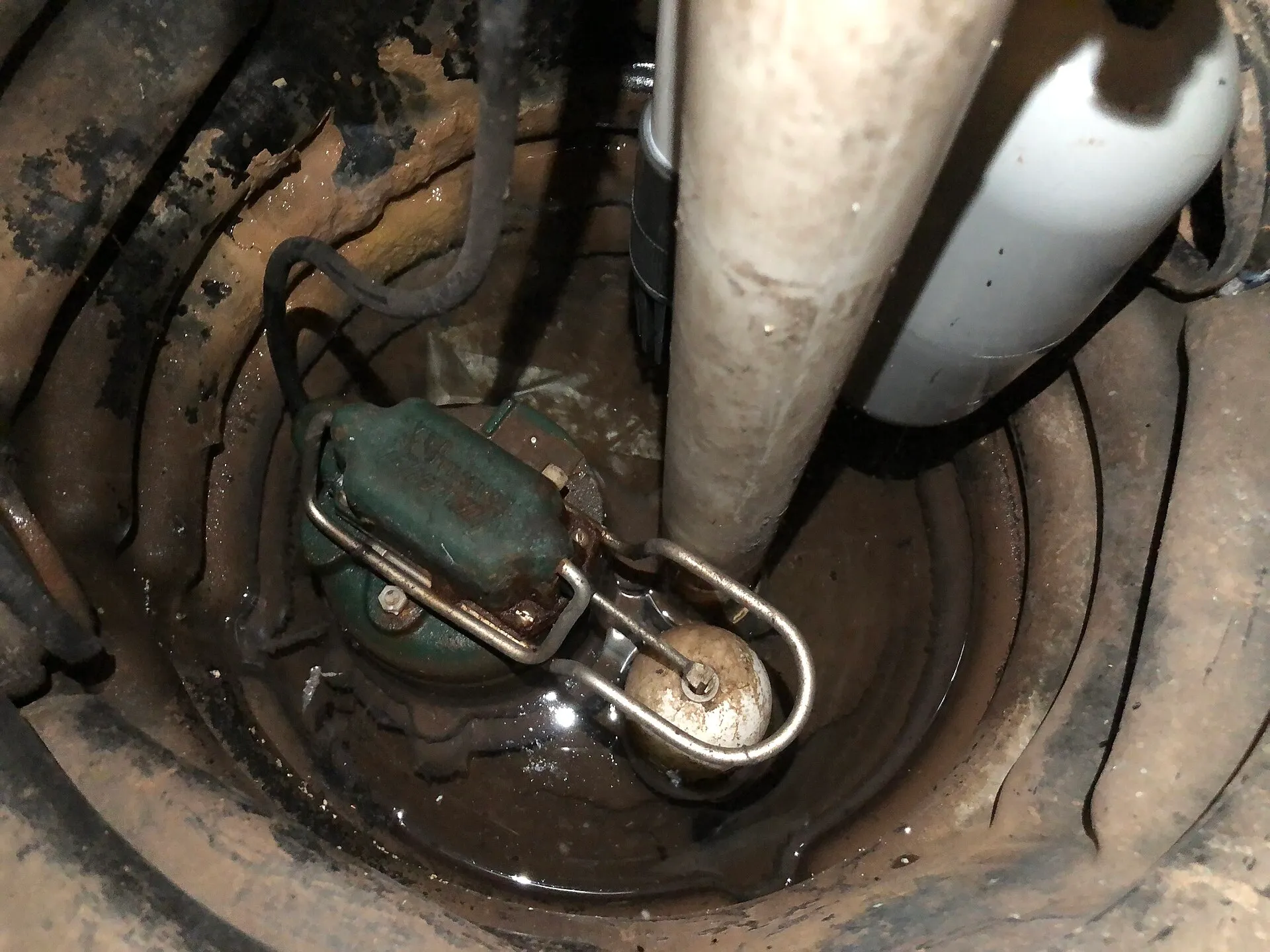
Water gets a way out.
If water stands after rain, the outside comes first: gutters, downspouts and grade. Where it still gets in, a drain line along the wall carries it to a sump pump.
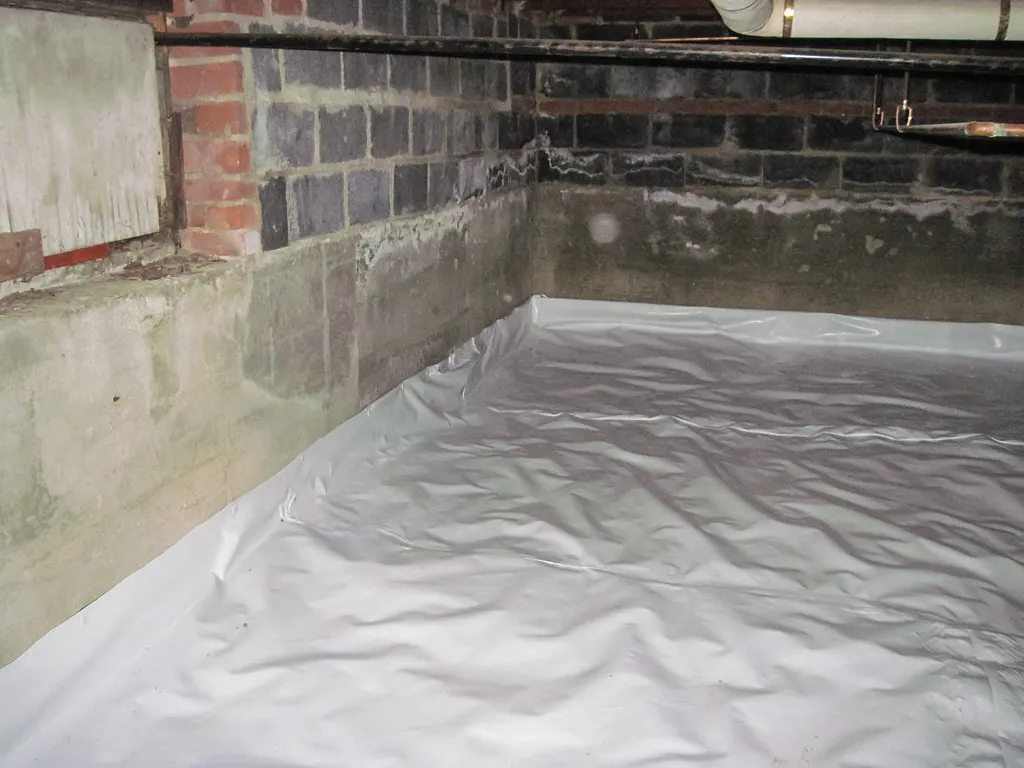
The liner goes down.
A 12-mil liner, or 20 mil if you store things down there, covers the ground with seams lapped and taped, then runs up the walls and piers and is fastened. A strip at the top of the wall stays open for the termite inspector.
The vents close, the air dries.
Vents, the rim and the access door are sealed so July air stays outside, and a crawl space dehumidifier, drained to the sump or outdoors, keeps the space dry.
Weeks later, we read it again.
Once the system has run for a few weeks, we read the humidity again, so you see the change in numbers and not only a clean white liner.
What we do
Ballpark prices. The firm one comes after a look under the house.
Sealing it
Full encapsulation$3.50 a sq ft
Liner on the ground and walls, vents and door sealed, plus a dehumidifier.
Vapor barrier installation$2 a sq ft
A 12 mil liner over the dirt, seams taped, run up the walls and fastened
Insulation and vent sealing$2.75 a sq ft of wall
Wet batts out, foam board on the walls, vents and access door sealed
Drying it
Dehumidifier installation$1,600
A dehumidifier sized for your closed crawl space, with a condensate drain
Drainage and sump pumps$2,200
Gutters and grade first, then a drain line and sump pump for what still gets in
Fixing what’s there
Mold remediationfrom $900
Mold treated on the framing, and the moisture that fed it fixed
Crawl space repairafter a look
Rot, sagging joists and sill damage, priced after we see the framing
Where we work
Based in Seneca. Most jobs are within half an hour of town.
Oconee County
- SenecaHome base29678
- WalhallaAbout 8 miles northwest29691
- WestminsterAbout 7 miles west29693
- Lake KeoweeLake lots on both shores29672
- SalemAbout 14 miles north29676
- Fair PlayLake Hartwell side29643
Pickens County
- ClemsonAbout 9 miles east29631
- CentralAbout 11 miles east29630
- Six MileAbove Lake Keowee29682
- EasleyAbout 24 miles east29640
Anderson County
Monday to Friday, 8am to 6pmSaturday, 9am to 1pm
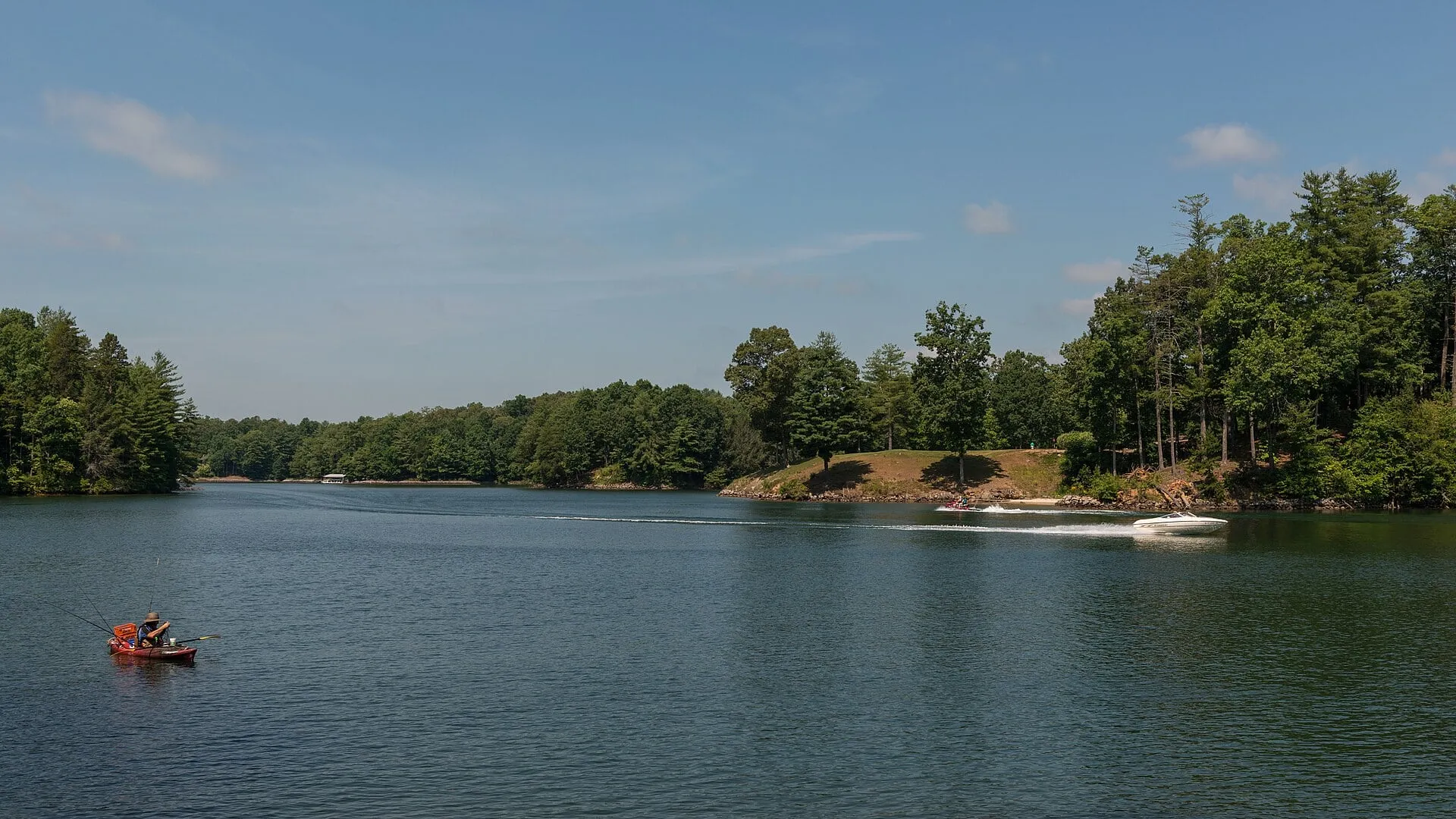
Lake Keowee from Keowee-Toxaway State Park
Straight answers
What is crawl space encapsulation?
It turns a vented crawl space into a closed one: a sealed liner over the ground and up the walls, the vents and access door closed, and a dehumidifier to keep the air dry. The point is to stop humid outside air and damp soil from wetting the floor framing.
How much does it cost around Seneca?
Our ballpark is about $3.50 a square foot of crawl space floor plus about $1,600 for the dehumidifier, so a 1,000 sq ft crawl space usually lands around $4,900–$6,800. Standing water, old insulation and low headroom add to it. How the price adds up.
Is it worth it here?
Usually, when the crawl space is damp in summer, the insulation is falling or the wood reads wet. In a field study of Southeast houses, vented crawl spaces sat above 70% humidity 98% of the summer; closed ones only 5% of the time. When it isn’t worth it.
How long does the job take?
Most crawl spaces take one to three days. Drainage, a lot of debris or very low headroom can add a day.
Do I need a dehumidifier?
A closed crawl space needs a way to dry the air, and a dehumidifier sized to the space is one of the options South Carolina’s residential code allows. Summer air here has a dew point in the upper 60s, so without one the sealed space can still get damp.
Should my vents be open or closed?
Closed, but only as part of a sealed crawl space with a liner and a dehumidifier. Closing the vents on a bare dirt crawl space can make it wetter. Vents, explained.
Will it affect my termite inspection or CL-100?
It can if it’s done wrong. We leave an inspection strip at the top of the wall, and we ask you to talk to your termite company before we start so your bond stays in force. Termites and the CL-100.
Is it the same as radon mitigation?
No. A sealed liner is the base a radon system is built on, but the EPA doesn’t count sealing alone as mitigation. Test for radon first; Oconee County is in EPA Zone 2.
Do I need to be home?
For the first look, yes, so we can talk through what we find. For the work itself, we only need the access door, power and water, and pets kept inside.
Which towns do you cover?
Seneca, Walhalla, Westminster, Salem and the Lake Keowee shore in Oconee County; Clemson, Central and Six Mile in Pickens; Pendleton and Anderson in Anderson County. All the towns.
Call or text
Based in Seneca, SC 29678. Working across Oconee, Pickens and Anderson counties.
- Monday to Friday
- 8am to 6pm
- Saturday
- 9am to 1pm
- Sunday
- Closed