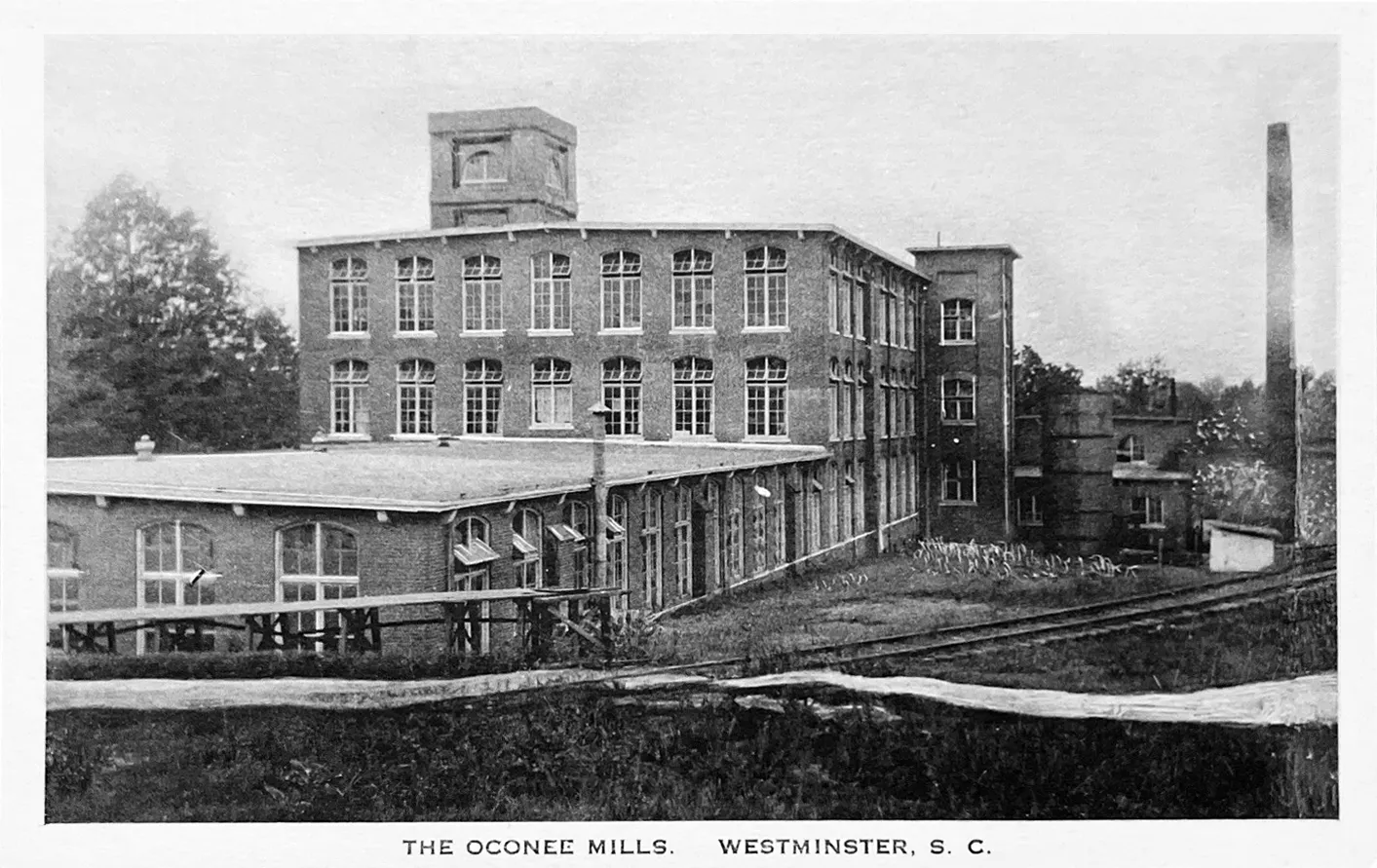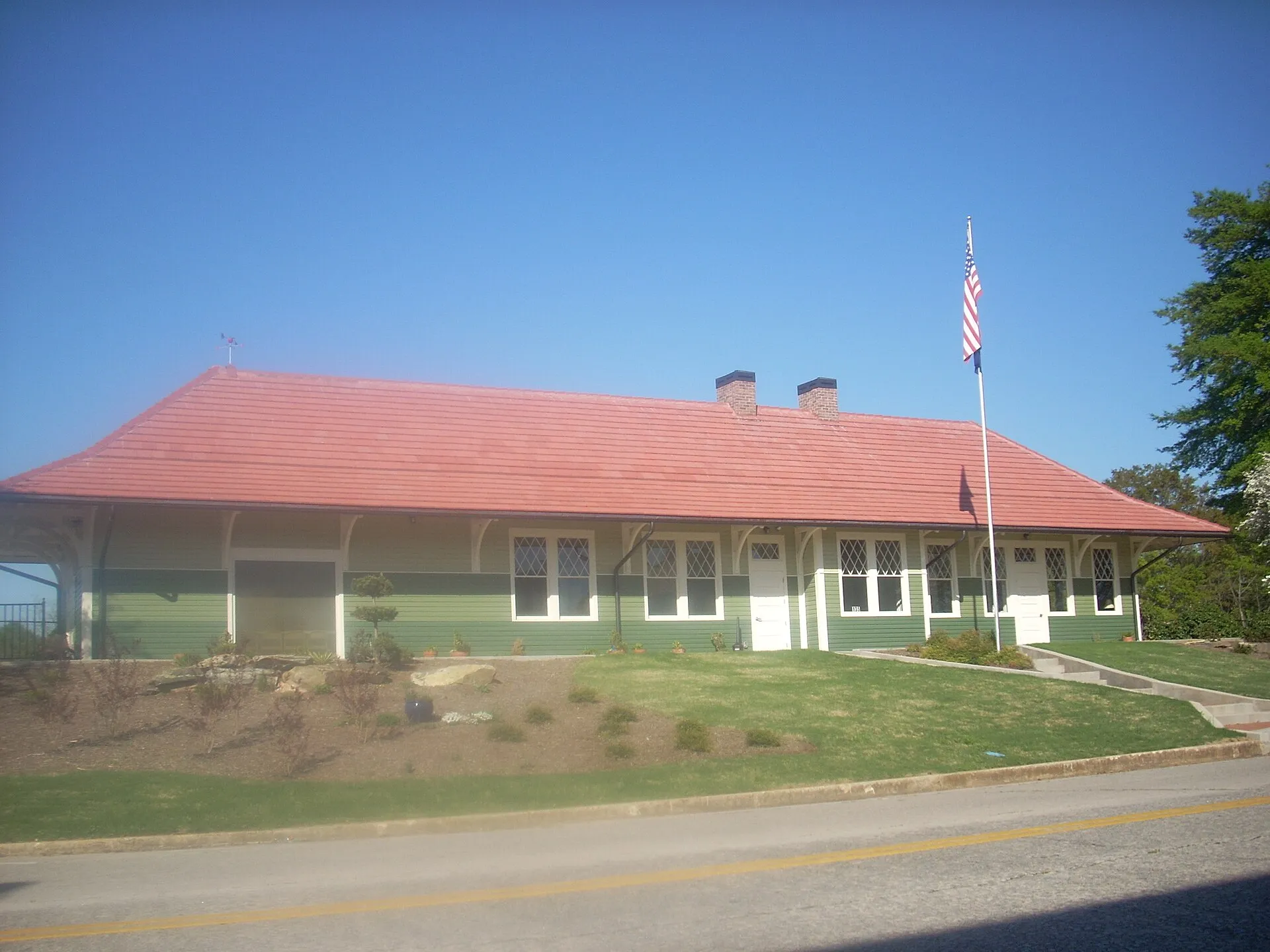
Westminster was founded in 1874 as a railroad water stop, and its depot, listed on the National Register, burned in 2005 and was rebuilt (town history). Oconee Mills was the town’s cotton mill, and these days Westminster hosts the SC Apple Festival. Its housing is the oldest in our area: the median home was built in 1969, and 70.3% of homes predate 1980 (American Community Survey via Census Reporter).
What is under a 1960s house here?
Typically a block or brick foundation with vents, a dirt floor, and wood framing that has taken in outdoor air for decades. Crawl spaces were common then. In 1971, 38% of new single-family homes in the South were built on one; today it’s 8%, and slabs make up 88% (Census Survey of Construction). In an older town like this, the crawl space question comes up at a lot more front doors.
Why do the old vents let moisture in?
Because summer air carries more water than a crawl space can hold once it cools. The ground under a house stays much colder than the outside air in summer, and moisture from the vent air settles on anything below its dew point (Building Science Corporation).
The numbers bear that out. In the Advanced Energy field study, vented crawl spaces were above 80% relative humidity for 86% of the summer and repeatedly reached condensation conditions, even with a full 6 mil ground cover in place. The closed crawl spaces never did. Shutting those old vents properly is its own step; see crawl space vent sealing and insulation.
What do mill-era houses need first?
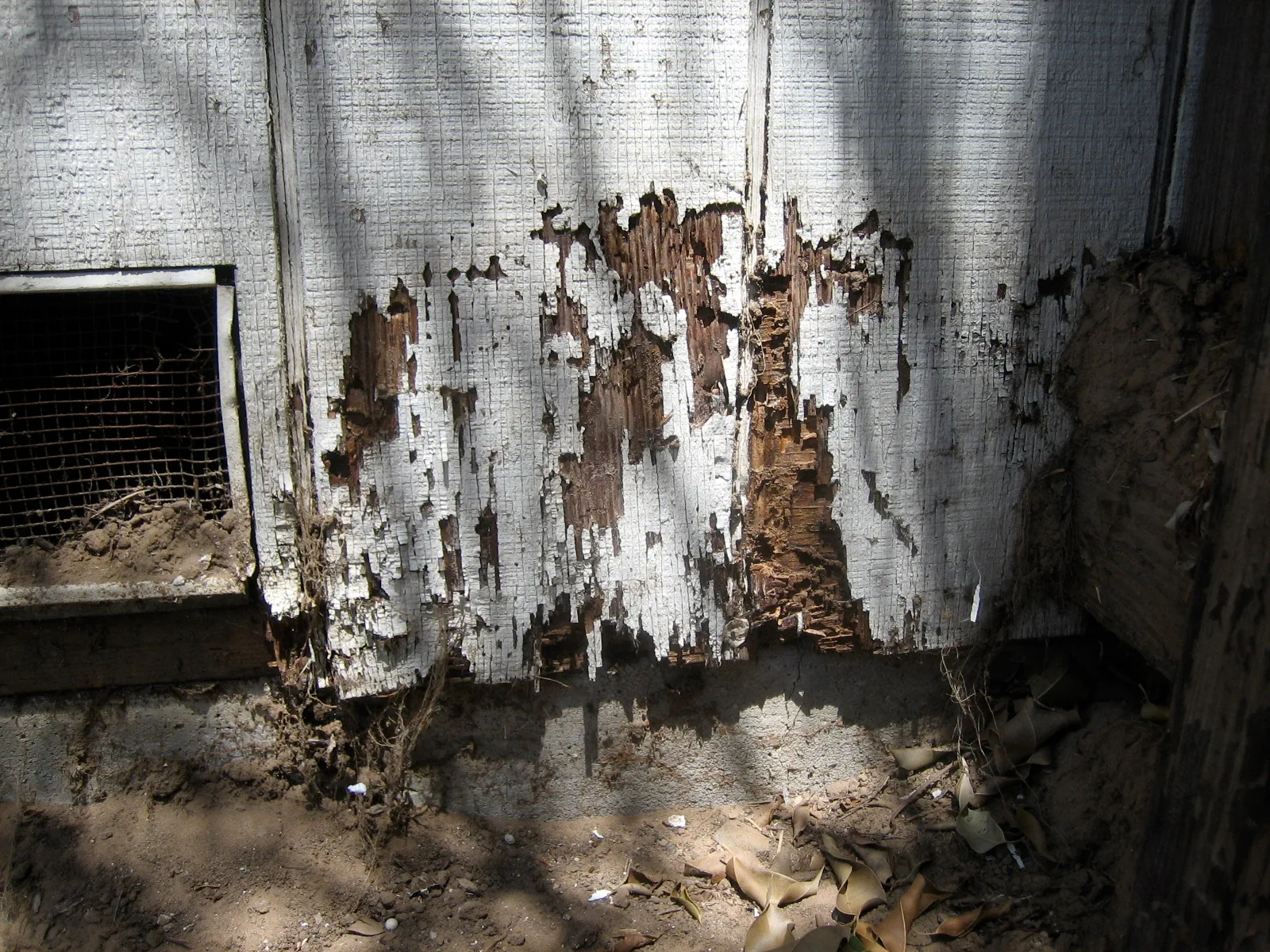
Sound, dry wood. Before we quote, we measure humidity in the crawl space and moisture in the framing. Building Science Corporation’s rule of thumb, from the same article, is below 19% moisture to never see rot and below 16% to never see mold. Where sills or joists are already soft, crawl space repair comes before the liner.
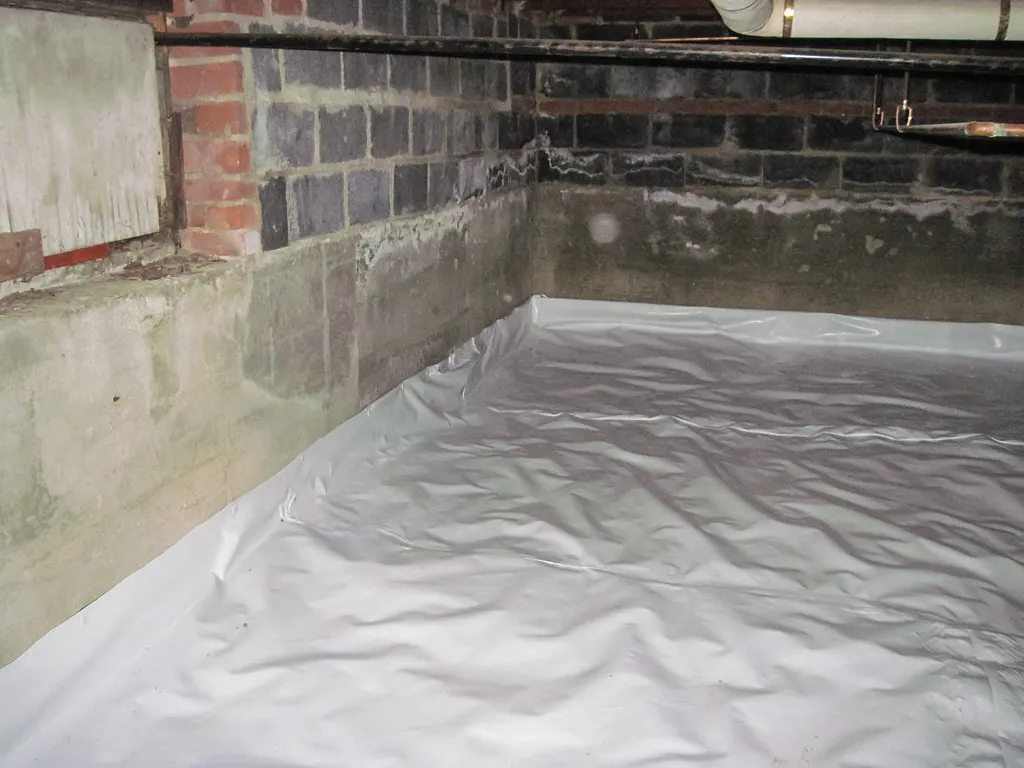
After that we clear out debris, pull down fallen insulation and lay a 12 mil liner, or 20 mil if you want a heavier floor to crawl on. Our guide to what mil vapor barrier to use compares the two.
How do termites fit into this?
They decide where the liner and any foam can go. South Carolina has native subterranean termites statewide, and they tunnel through foam board that touches the ground (Clemson HGIC). So we keep foam off the soil and leave an inspection strip at the top of the foundation wall, where an inspector can still see the sill. Our guide to encapsulation, termites and the CL-100 explains the state rules behind that.
Does an old house cost more to do?
It can, because of the prep. A 1,000 sq ft crawl space with a 12 mil liner and a dehumidifier comes to roughly $4,900–$6,800, and the job minimum is $2,500. That’s a ballpark only, not a quote: rot repair, fallen insulation and a long row of vents can all add to an older house. The firm price comes after we’ve been underneath.
Own one of Westminster’s older homes? Request an estimate or call us, and we’ll come and look at what’s under it.