Crawl space questions, answered
The questions people ask before they let anyone under the house, with the short answer first.
The usual questions
What is crawl space encapsulation?
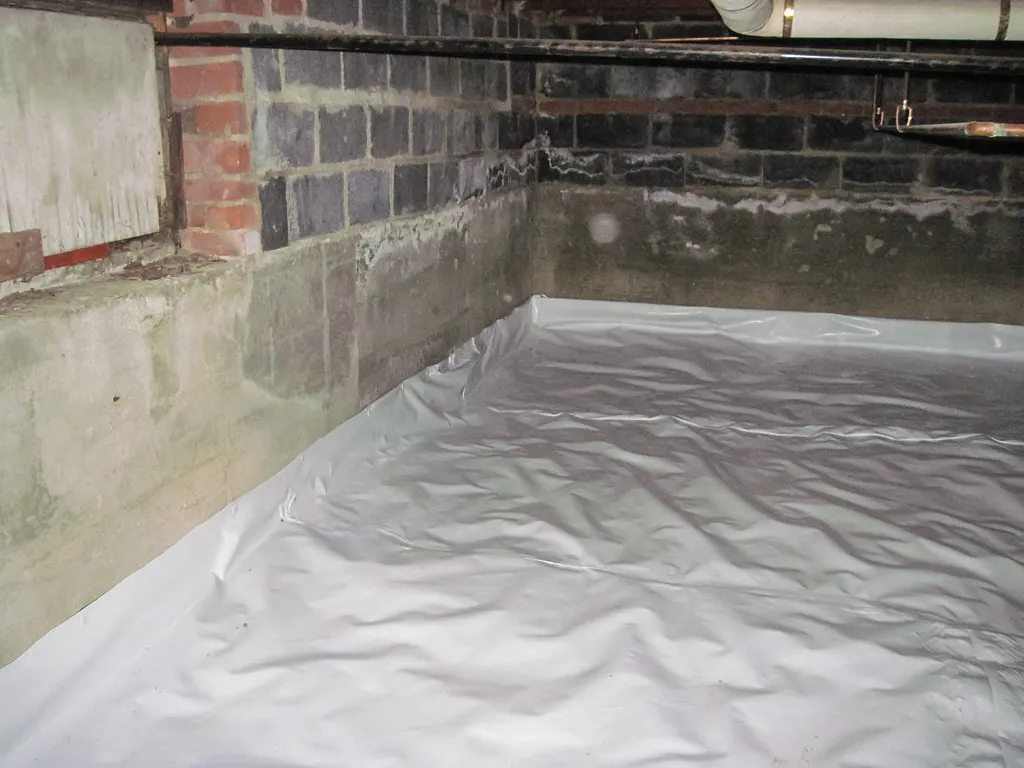
It turns a vented crawl space into a closed one: a sealed liner over the ground and up the walls, the vents and access door closed, and a dehumidifier to keep the air dry. The point is to stop humid outside air and damp soil from wetting the floor framing.
How much does it cost around Seneca?
Our ballpark is about $3.50 a square foot of crawl space floor plus about $1,600 for the dehumidifier, so a 1,000 sq ft crawl space usually lands around $4,900–$6,800. Standing water, old insulation and low headroom add to it. How the price adds up.
Is it worth it here?
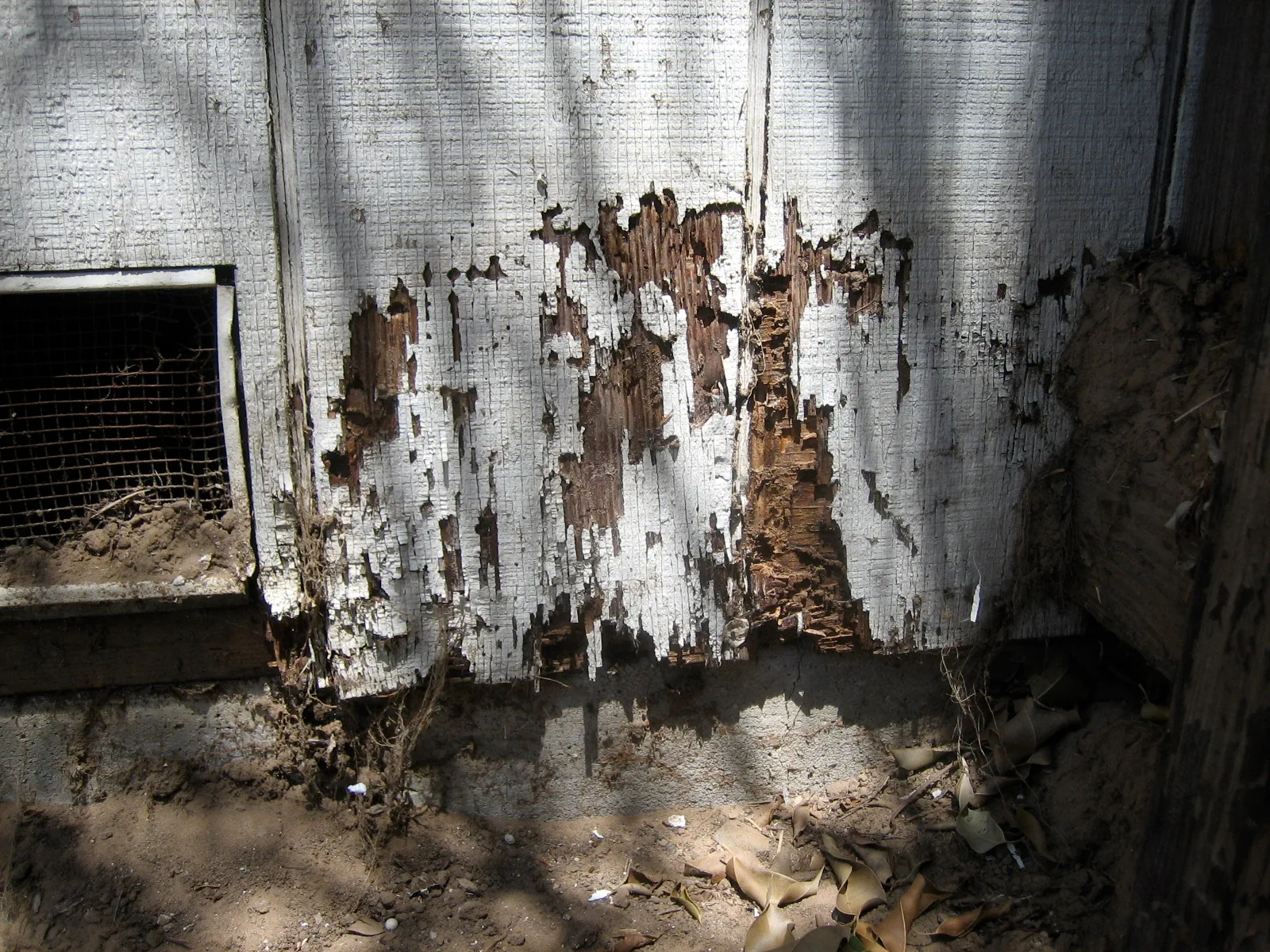
Usually, when the crawl space is damp in summer, the insulation is falling or the wood reads wet. In a field study of Southeast houses, vented crawl spaces sat above 70% humidity 98% of the summer; closed ones only 5% of the time. When it isn’t worth it.
How long does the job take?
Most crawl spaces take one to three days. Drainage, a lot of debris or very low headroom can add a day.
Do I need a dehumidifier?
A closed crawl space needs a way to dry the air, and a dehumidifier sized to the space is one of the options South Carolina’s residential code allows. Summer air here has a dew point in the upper 60s, so without one the sealed space can still get damp.
Should my vents be open or closed?
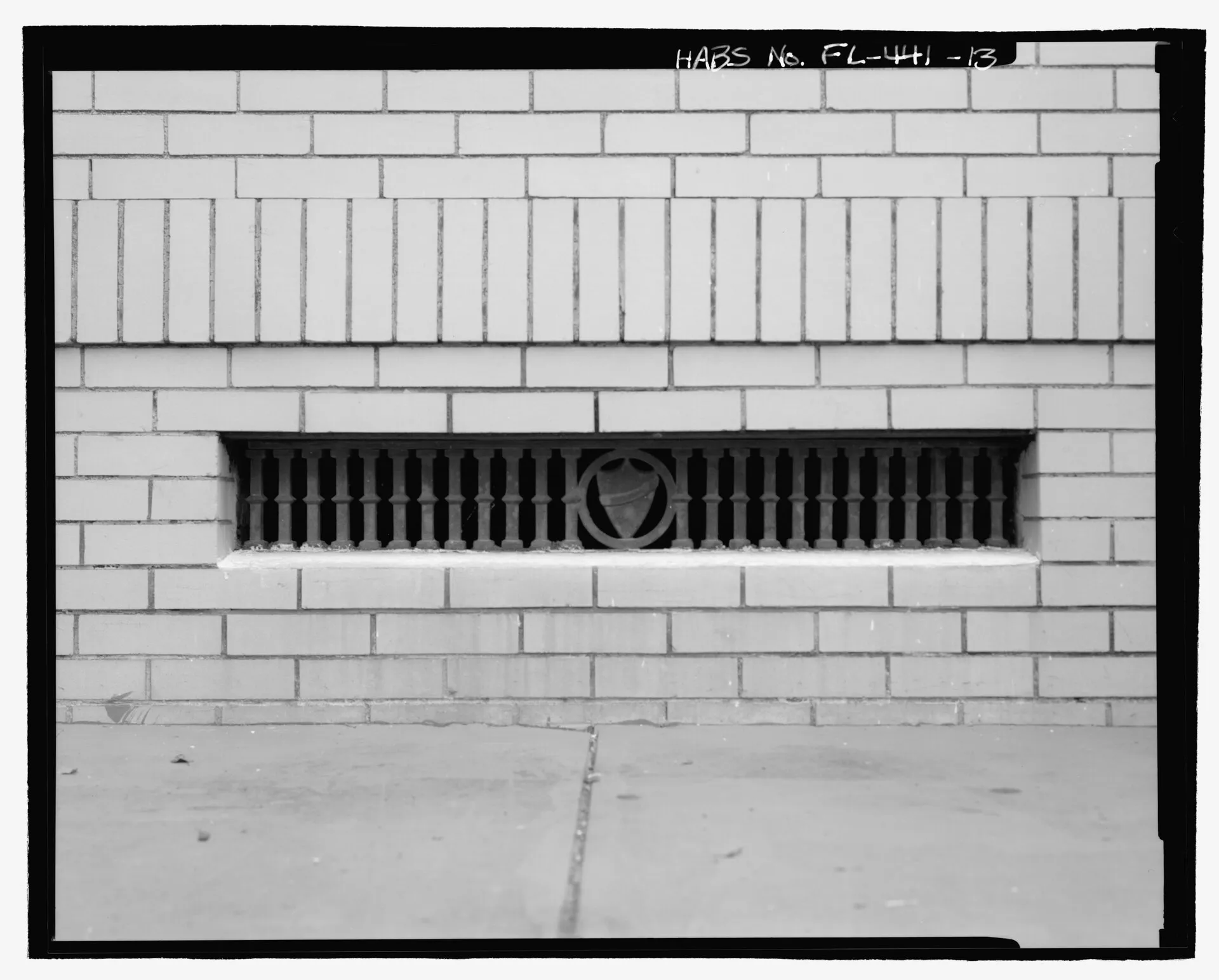
Closed, but only as part of a sealed crawl space with a liner and a dehumidifier. Closing the vents on a bare dirt crawl space can make it wetter. Vents, explained.
Will it affect my termite inspection or CL-100?
It can if it’s done wrong. We leave an inspection strip at the top of the wall, and we ask you to talk to your termite company before we start so your bond stays in force. Termites and the CL-100.
Is it the same as radon mitigation?
No. A sealed liner is the base a radon system is built on, but the EPA doesn’t count sealing alone as mitigation. Test for radon first; Oconee County is in EPA Zone 2.
Do I need to be home?
For the first look, yes, so we can talk through what we find. For the work itself, we only need the access door, power and water, and pets kept inside.
Which towns do you cover?
Seneca, Walhalla, Westminster, Salem and the Lake Keowee shore in Oconee County; Clemson, Central and Six Mile in Pickens; Pendleton and Anderson in Anderson County. All the towns.
From the guides
How much does it cost to encapsulate a 1,000 square foot crawl space?
Our ballpark for 1,000 square feet with a 12 mil liner and a dehumidifier is $4,900–$6,800. This Old House puts a 1,000 square foot job at $3,000 to $7,000 nationally. The firm price comes after we look under the house. More in the guide.
Is there a minimum charge?
Yes. Our minimum is $2,500 for full encapsulation and $1,500 for a vapor barrier alone, because even a small crawl space needs a full setup. More in the guide.
Is crawl space encapsulation a scam?
No. A field study of identical houses found sealed crawl spaces stayed far drier than vented ones. What to watch for is a pitch that skips measuring, or a dehumidifier sold for a crawl space that will stay vented. More in the guide.
What are the negatives of crawl space encapsulation?
The upfront cost, a dehumidifier that uses electricity and needs its filter and drain looked after, and a liner that can make termite inspections harder if no inspection strip is left. It also needs an occasional check that the liner is intact and the humidity is holding. More in the guide.
Is a vapor barrier the same as encapsulation?
No. A vapor barrier is the plastic sheet on the ground. Encapsulation seals a heavier liner up the walls, closes the vents and access door, and adds a dehumidifier or another way to dry the air. More in the guide.
How much cheaper is a vapor barrier than encapsulation?
Our ballpark for a 1,000 square foot barrier-only job is $2,000–$2,750, against $4,900–$6,800 for full encapsulation with a dehumidifier. Both are ballparks, not quotes. More in the guide.
Should I close my crawl space vents in the summer?
Only as part of sealing the crawl space with a liner and adding a way to dry the air. Closing the vents on their own, over bare dirt or a loose sheet, can make things worse. More in the guide.
Are vented crawl spaces still allowed in South Carolina?
Yes. South Carolina's code still allows vented crawl spaces. Section R408.3 sets out what an unvented one needs if you choose to close it. More in the guide.
What is a normal humidity level in a crawl space?
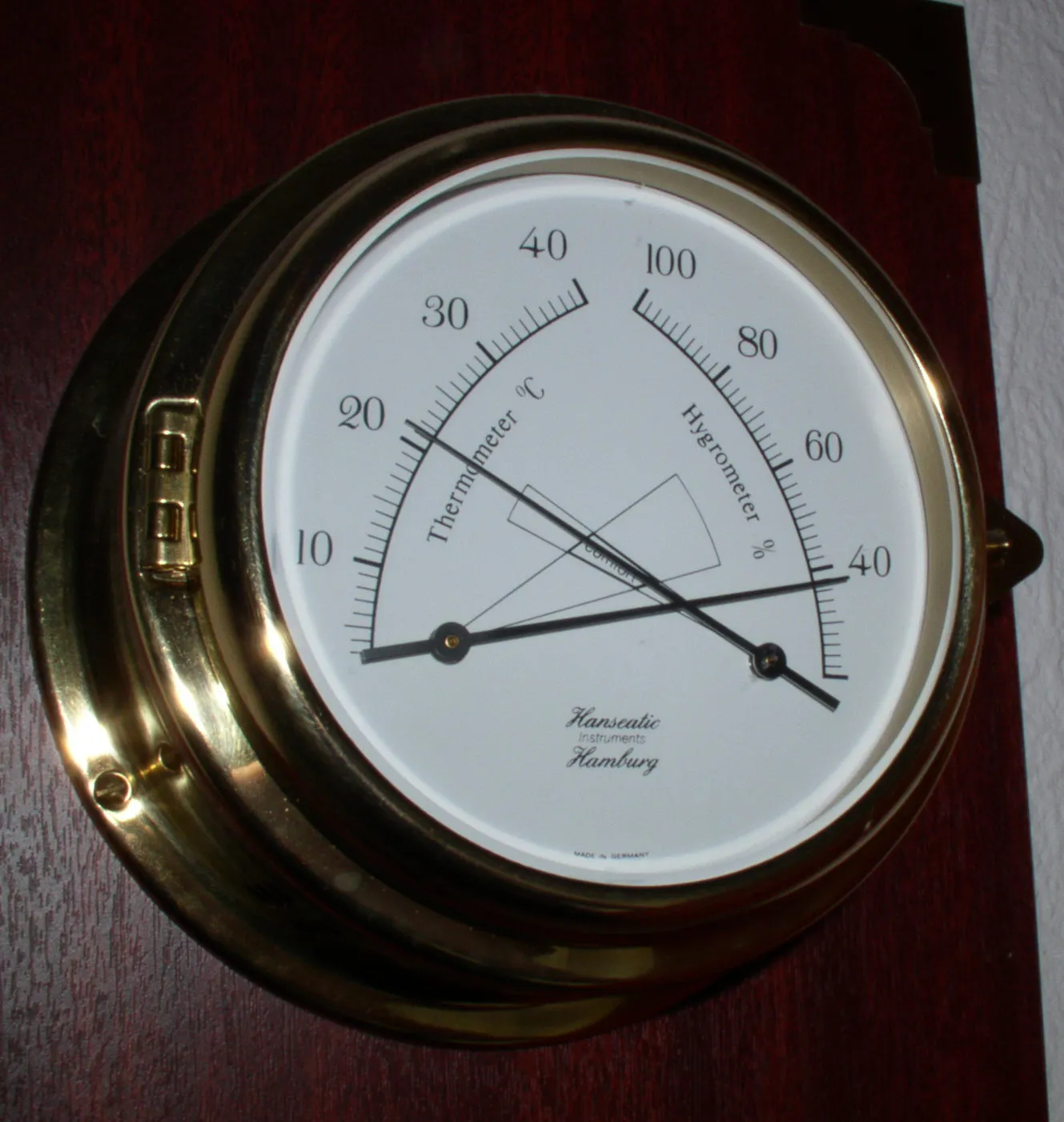
Under 60% is the target, and closed crawl space dehumidifiers are commonly set between 50% and 60%. Vented crawl spaces in a humid summer can run far higher. More in the guide.
Can you encapsulate a crawl space without a dehumidifier?
Yes, but not without some way to dry the air. South Carolina's code also allows continuous exhaust, conditioned supply air or, in existing houses, a plenum. More in the guide.
Does crawl space encapsulation void a termite bond?
The South Carolina rule that mentions encapsulation is about the one-year termite warranty on new construction. For an existing bond, the answer is in your contract, so ask your termite company before any liner goes down. More in the guide.
Can an encapsulated crawl space still be inspected for termites?
Yes, if the crawl space stays accessible and the top of the foundation wall is left open. We leave a termite inspection strip at the top of the wall for that reason. More in the guide.
Is 6 mil vapor barrier enough for a crawl space?
Six-mil polyethylene is the common minimum for a ground cover, and it can do on a smooth floor nobody crawls across. It tears easily under knees and tools, so 12 mil is our standard liner. More in the guide.
Is 20 mil worth it over 12 mil?
It is worth it if people crawl through often, you store things down there or the floor is rough. With us it adds about $0.40 a square foot. More in the guide.
Can a crawl space make the whole house smell musty?
Yes. Air from the crawl space gets drawn up into the house through gaps in the floor and around pipes and ducts, so a damp crawl space can make the rooms above it smell musty. More in the guide.
How do I tell mold from a dead animal smell?
A musty smell is earthy and stale and tends to get worse in humid weather. A dead animal smells sharp and rotten, often comes on suddenly and is strongest near one spot. More in the guide.
Price your crawl space
Set the size and what you see down there. The slip adds up a ballpark in a minute.