Crawl space repair is work on the wood that holds up your floor: joists that sag or have rotted, a sill that has softened where it sits on the foundation, and supports that have sunk or given out. You need it when a floor feels soft or bouncy, when a screwdriver pushes easily into the framing, or when a termite or moisture report flags damage under the house.
What causes rot under the house?
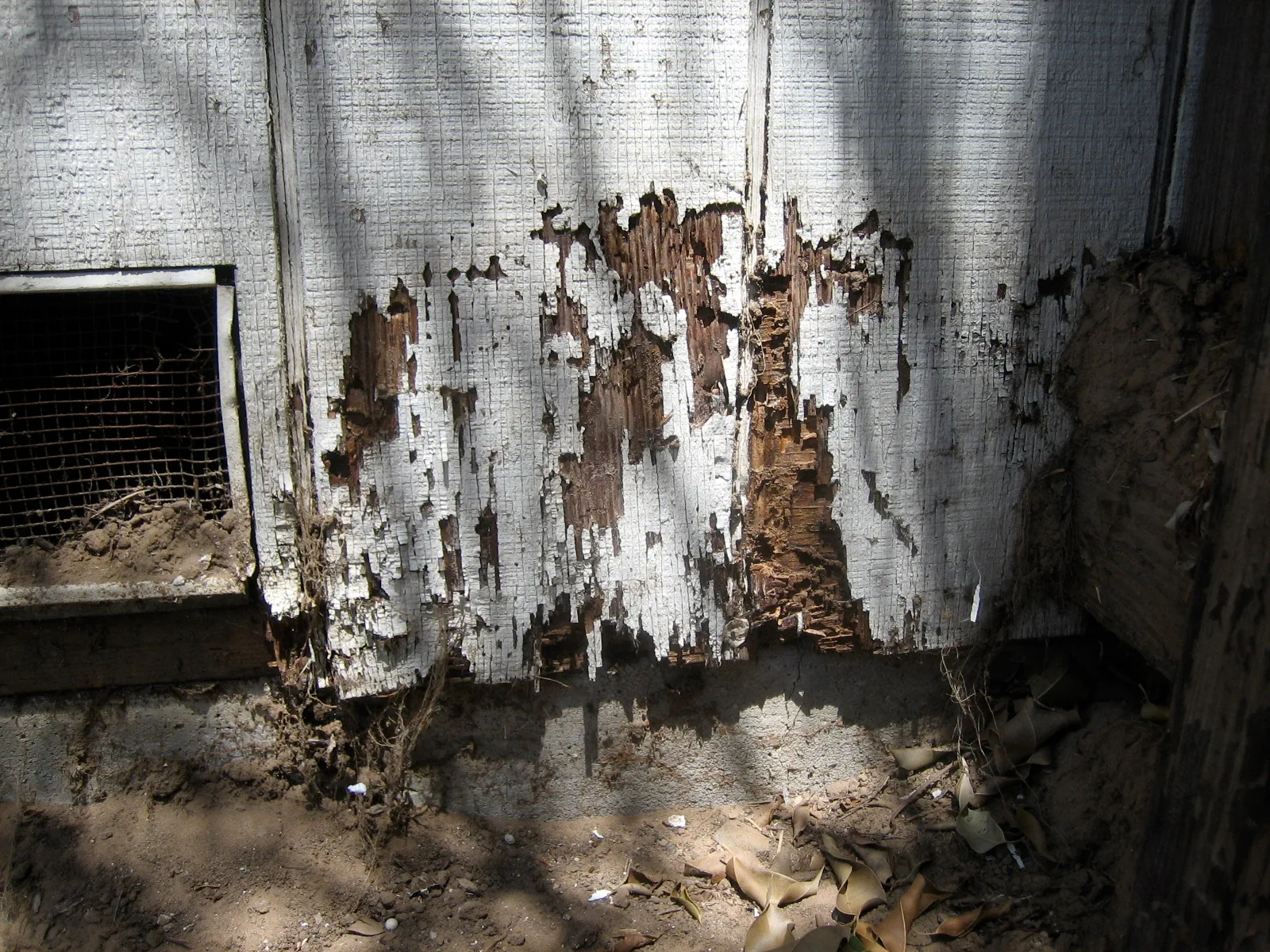
Wood that stays wet. Decay fungi need damp wood, and the framing in a vented Upstate crawl space can stay damp for months at a time.
Vented crawl spaces in Advanced Energy’s field study in Princeville, North Carolina, repeatedly reached condensation conditions in summer, which means water could form on cool surfaces like joists and ductwork. Other causes add to it: standing water after rain, a plumbing leak, wet insulation held against the subfloor, or wood sitting too close to the dirt. If water pools under your house, drainage and a sump pump may be the first repair.
What moisture level is a problem?
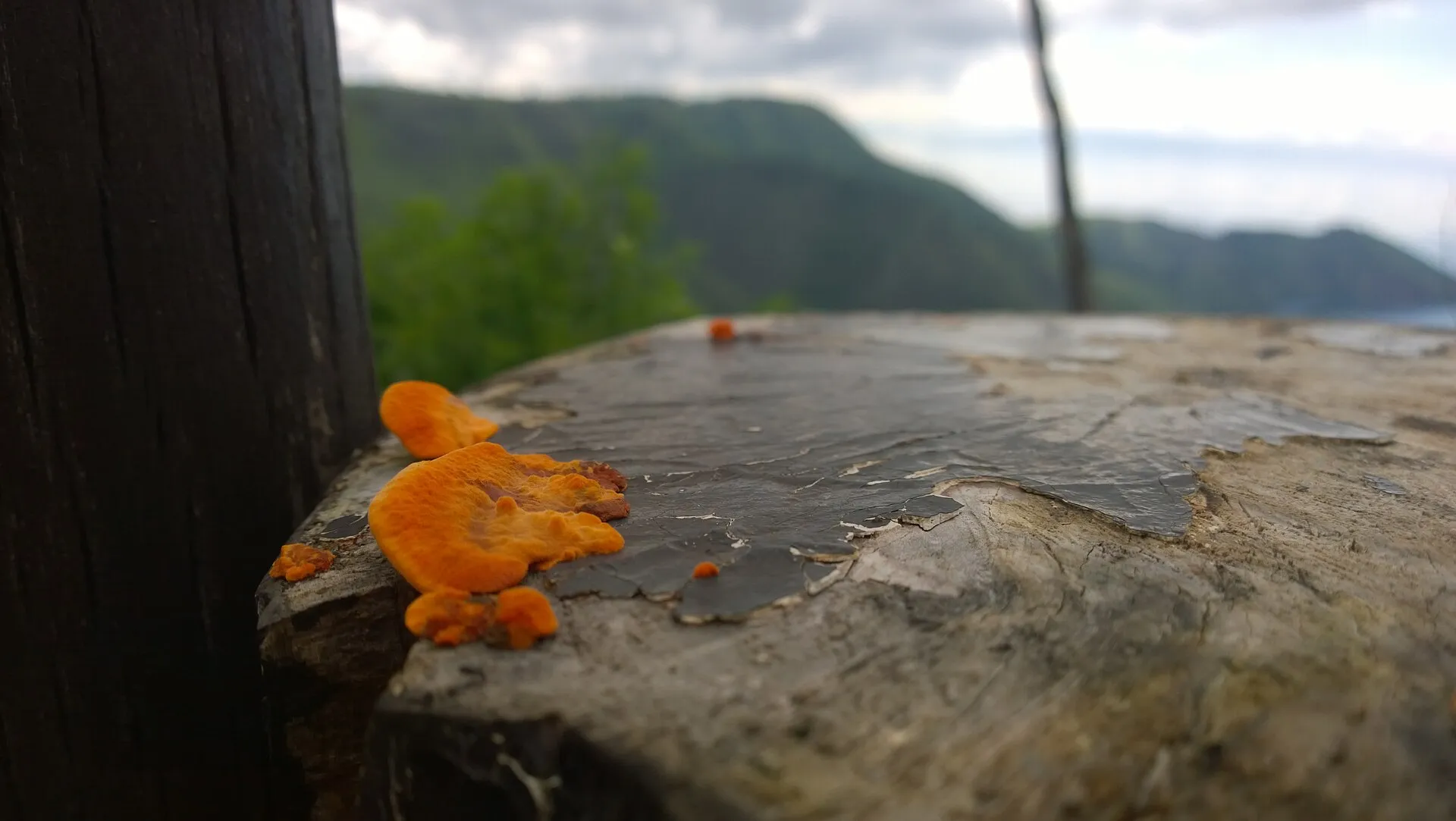
On South Carolina’s CL-100 wood infestation report, wood at 20% moisture or more is reported as excessive moisture, and 28% or more as active decay conditions. We measure wood moisture before we quote, so you know where your framing stands.
The CL-100 is the report used in South Carolina home sales, issued by a licensed pest control business. It covers accessible areas, including crawl spaces, and has to note any area that could not be inspected. The same rule sets the minimum clearance between untreated wood and soil at 8 inches. Our guide to encapsulation, termites and the CL-100 explains how the report treats sealed crawl spaces.
What does a joist repair involve?
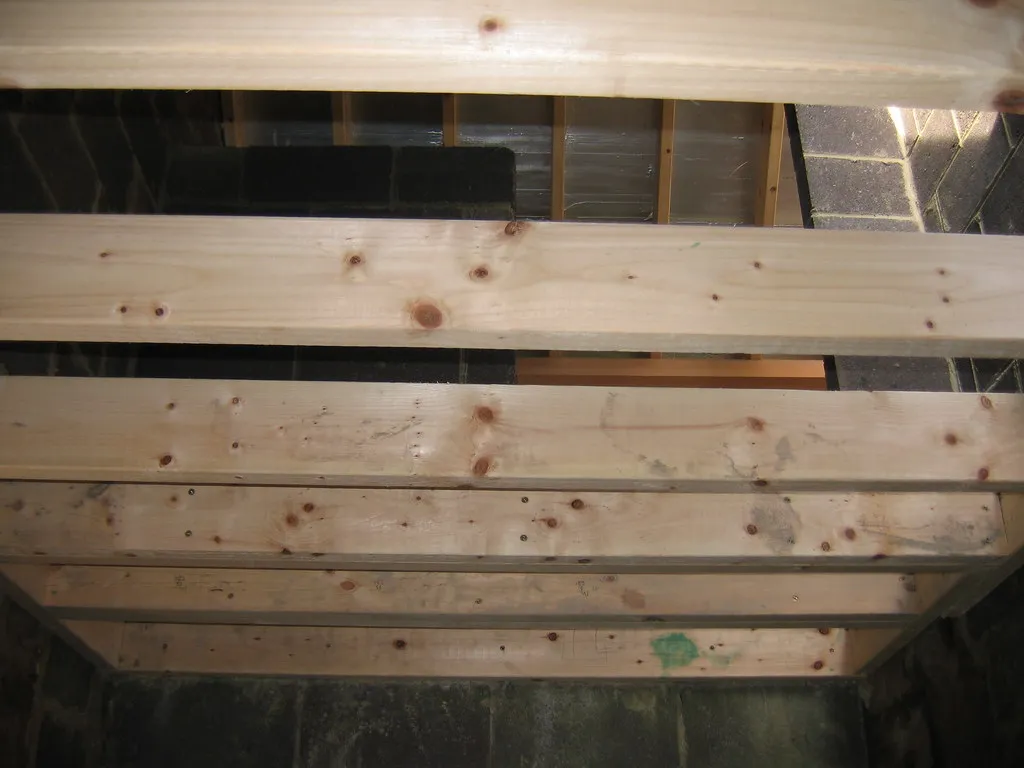
Commonly, sistering: fastening a new full-length board alongside the damaged joist so the two carry the floor together. Where a floor sags between supports, adding a support beneath it shortens the span.
Badly rotted sections can be cut out and replaced. A sill that has softened can be replaced in sections, with the framing above held up while the old wood comes out. The right fix depends on what we find once we are under the house.
We are a crawl space contractor, not structural engineers. If damage is widespread, the house has settled or a beam has failed, get a structural engineer’s assessment before repairs start. Structural work may also need a permit: Oconee County requires permits for alterations, and the City of Seneca has its own building official.
What if termites did the damage?
Call your pest control company first. They treat the termites, the repair comes after, and your termite bond should stay in force.
Native subterranean termites live across South Carolina and come up from the soil, so the sill and the framing nearest the foundation are where to look. If you plan to close the crawl space after the repair, talk to your termite company before you do. The CL-100 rule says the one-year termite warranty on new construction does not extend to encapsulated crawl spaces, and we leave an inspection strip at the top of the wall so the sill stays visible.
How we do it
- We measure wood moisture and crawl space humidity before we quote, and look over the framing.
- We clear debris and pull down wet or fallen insulation so the wood can be seen.
- We price the repair once we have seen the damage, and where it is widespread we tell you to get an engineer’s assessment first.
- We make the repair the damage calls for: sistering, replacing rotted sections or adding support.
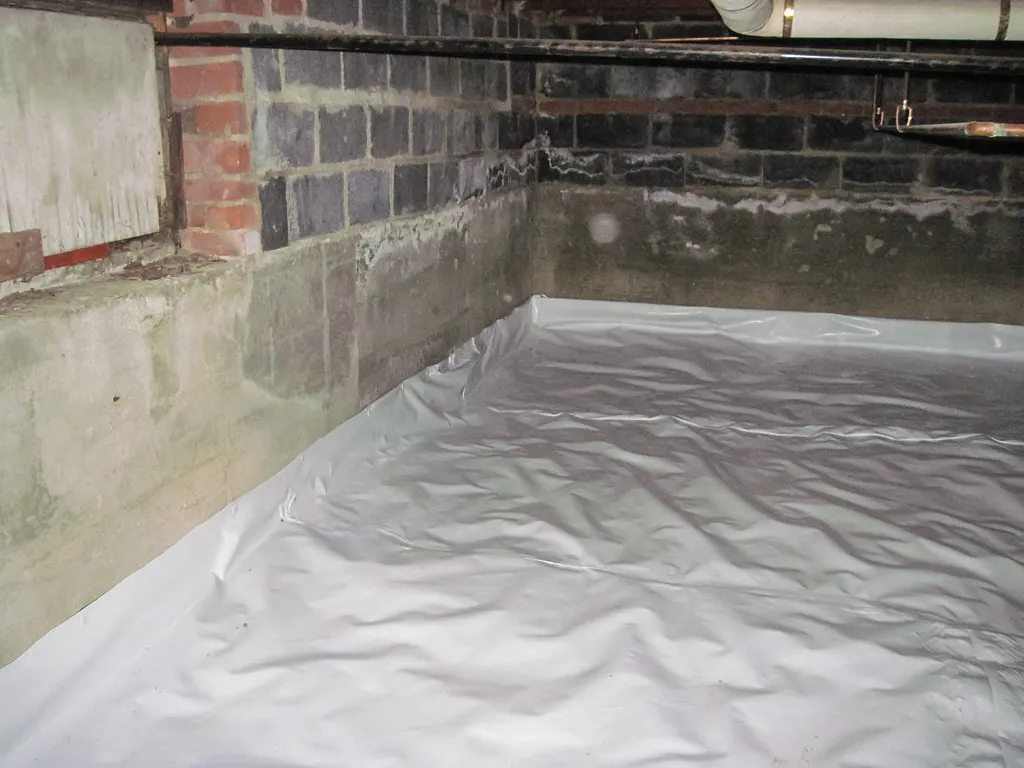
- We fix the moisture so the new wood isn’t left in the same conditions: a liner over the ground, the vents and access door sealed, and a dehumidifier with a condensate drain.
- We read the humidity again after the system has run a few weeks.
What affects the price?
How much wood is damaged, how hard it is to reach and what caused it. That is why we price repairs after a look rather than per square foot.
Low clearance, plumbing and ductwork in the way, and the number of joists involved all add time. The moisture fix has ballparks of its own: a crawl space vapor barrier runs about $2 per sq ft, and a dehumidifier about $1,600 installed.
Older houses have had more summers for damp to work on the framing. That includes the historic districts in Seneca and in Pendleton, and many houses in Westminster and Walhalla.
If your floor has gone soft or started to sag, call us to look under the house, or use our crawl space estimator to get a ballpark on the moisture side first.