Crawl space drainage collects water that gets under your house and sends it out and away. The usual setup is a drain line along the wet side of the crawl space feeding a sump pit, where a pump lifts the water out. You need it when you find standing water, wet mud or a water line on the foundation after rain, and fixing the outside hasn’t stopped it.
Where does the water come from?
Start outside. Roof water from overflowing gutters, downspouts that empty at the foundation and ground that slopes toward the house all push rain under it.
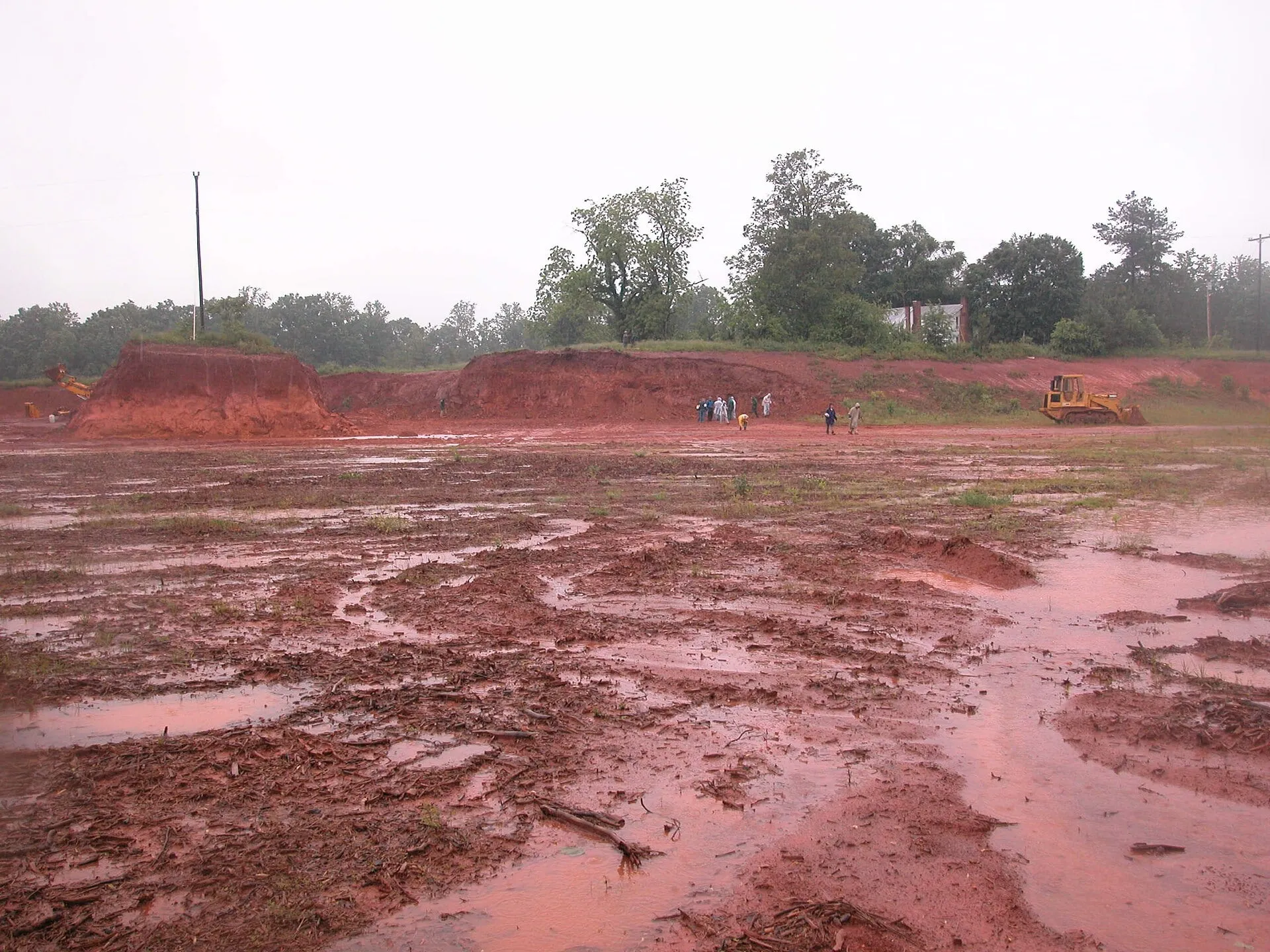
There is plenty of rain to manage. Clemson averages 52.38 inches a year, and August is the wettest month at 5.27 inches. Upstate red clay drains slowly, so on a slope, water moves along the surface of the clay toward whatever is downhill. If that is your house, the crawl space is where it ends up.
What should I fix outside first?
Gutters, downspouts and grade. Keep the gutters clear, extend the downspouts away from the foundation, and shape the ground to fall about 6 inches over the first 10 feet from the house.
That grade target comes from the ENERGY STAR closed crawl space guide and the EPA. Do these first, then watch the crawl space through a few hard rains. If it stays dry, you may not need a sump at all.
When do you need a sump pump?
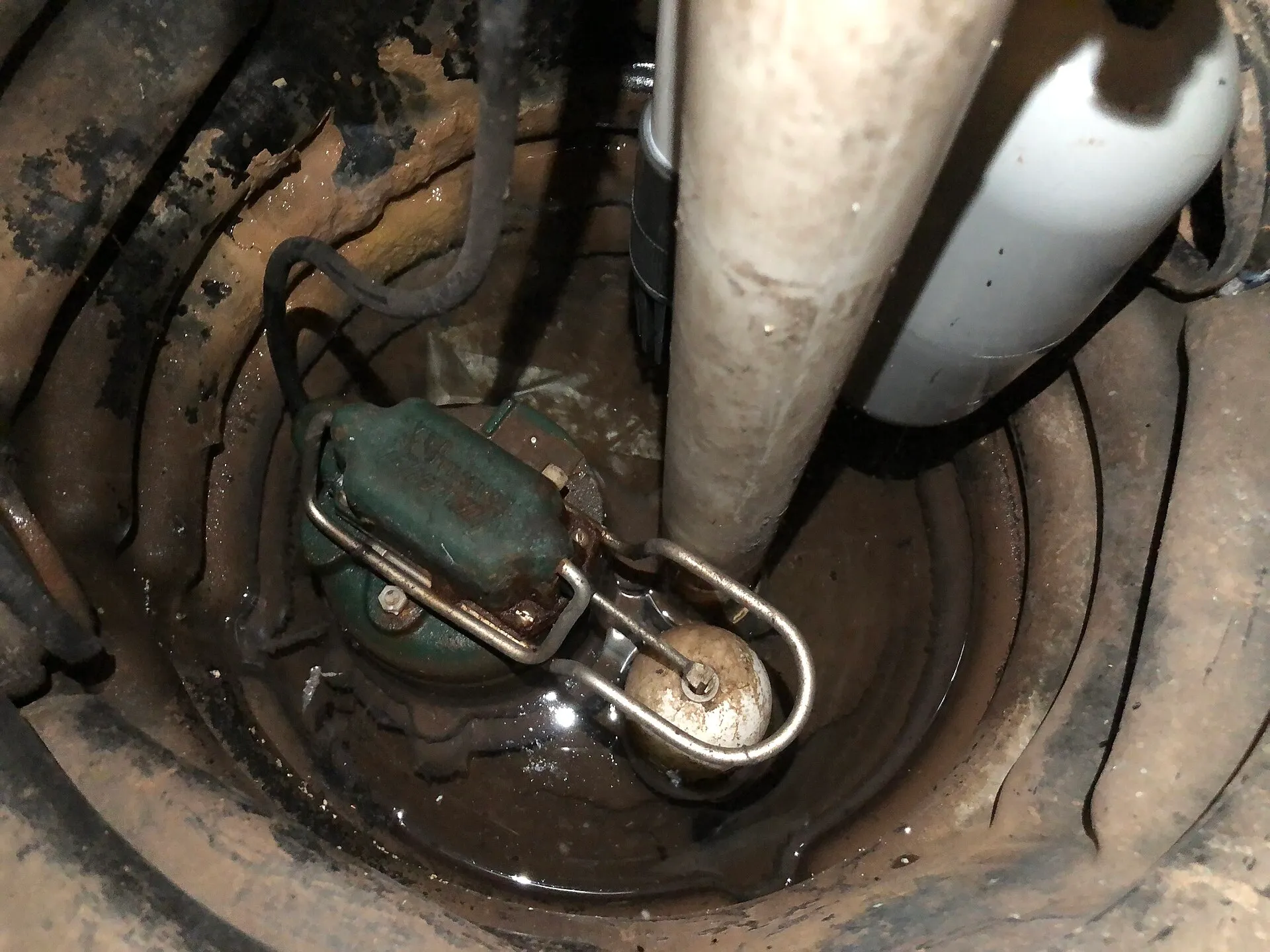
When water still collects under the house after the outside is fixed. A drain line gathers it and a sump pump lifts it out before it can sit under the liner or against the framing.
Standing water keeps the air above it wet, and damp air is what feeds mold and rot in floor framing. Our guide to crawl space humidity levels explains which readings matter. If the water has been there long enough to soften the wood, crawl space repair may be part of the job too.
What about sloped lake lots?
They need the most attention on the uphill side, where water moving down the slope meets the foundation first.
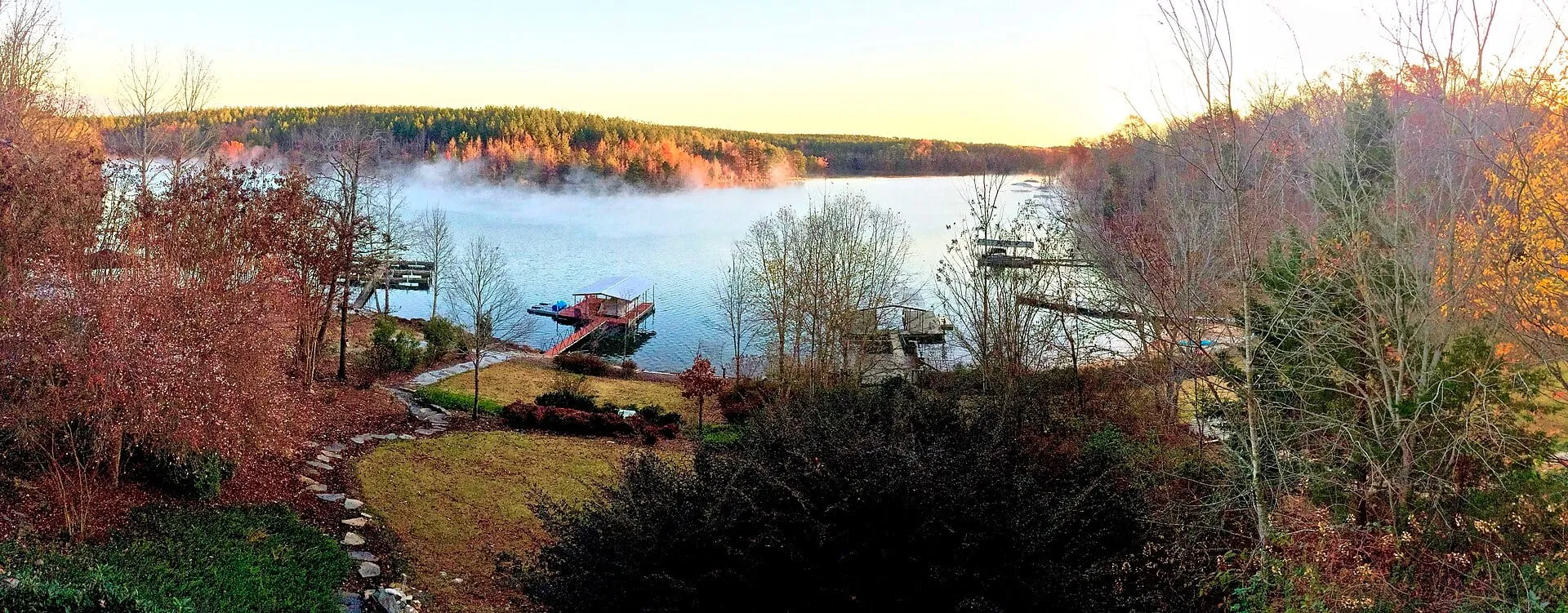
Lake homes around Lake Keowee commonly sit on sloped lots, as do many along Lake Hartwell. On a lot like that, the drain line goes where the water comes in, along the uphill wall, and slopes to a sump at a low point. The discharge then heads downhill, away from the house.
Where does the pumped water go?
Out a discharge line to a spot away from the house and downhill of it. Water dumped beside the foundation soaks into the clay and finds its way back.
A sump pump also needs power. If yours needs a new circuit, that is electrical work, and Oconee County requires permits for electrical work. Ask the county or City of Seneca building office what applies to your address.
How we do it
- We measure the humidity and the moisture in the wood before we quote, and note where the water sits.
- We check the gutters, downspouts and grade outside, because those come first.
- We clear debris and pull down wet or fallen insulation.
- We run a drain line along the wet side of the crawl space to a sump pit at a low point.
- We set the sump pump and run its discharge line away from the house.
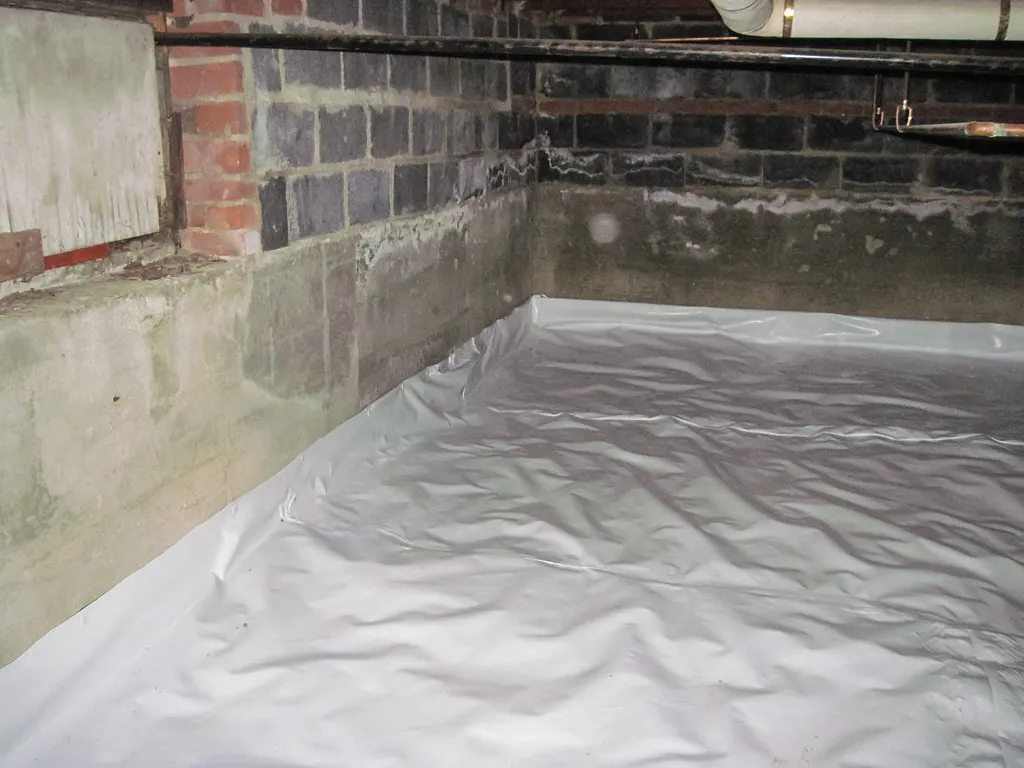
- If the crawl space is being closed, the vapor barrier goes down over the drain, with the seams taped and the liner run up the walls.
What affects the price?
The length of the drain line, the depth of the pit and how far the discharge has to run. Our ballpark for a drain line and sump pump is about $2,200.
Published prices vary. This Old House lists drainage with a sump at $600–$1,800. Fixr puts a sump pump at $700–$1,600 and an interior French drain at $40–$100 per linear foot, and Upstate Structural Repair lists sump pumps from $2,000.
On our side, low clearance makes trenching slower, a long discharge run adds pipe, and a new circuit for the pump adds an electrician and possibly a permit. Our numbers are ballparks; the firm price comes after we see the crawl space.
If you have water under the house in Seneca or around the lakes, start with our crawl space estimator for a ballpark, or call us and we’ll come and look.